
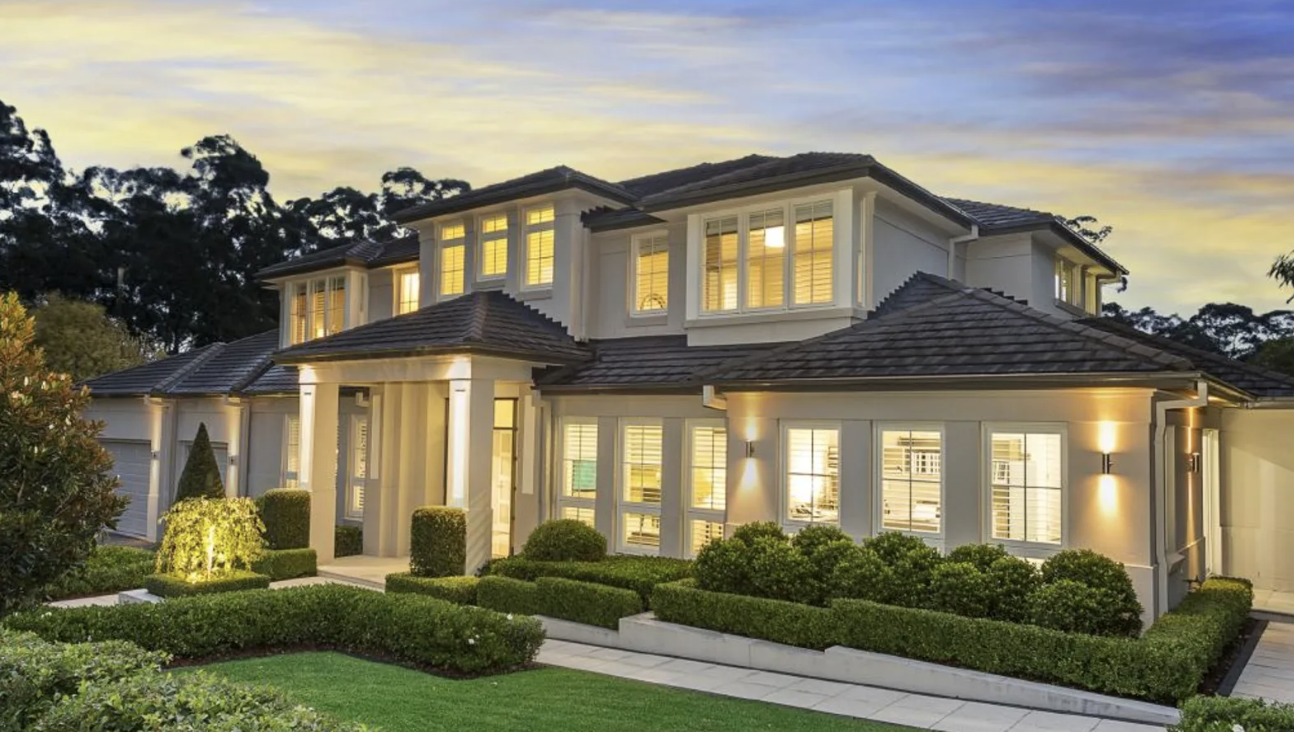
Castle Hill has become one of the most sought-after family markets in Sydney’s north-west. Strong school catchments, large homes on generous blocks and improving transport connectivity have steadily pushed demand higher, particularly among established families upgrading from inner-northwest suburbs or relocating from across Sydney.
While the suburb has long appealed to owner-occupiers, the introduction of the Metro has materially changed how buyers assess the area. Commute times to the Sydney CBD and North Sydney employment hubs are now far more predictable, which has widened the buyer pool and strengthened long-term demand fundamentals.
For buyers navigating this market, purchasing property in Castle Hill requires more than simply identifying available listings. The suburb contains a wide range of housing types, micro-locations and planning overlays that materially affect both pricing and long-term investment outcomes.
Understanding where the strongest demand sits, and where the risks lie, is critical when buying property in Castle Hill.
Why Castle Hill Continues to Attract Strong Buyer Demand
Castle Hill sits at the centre of Sydney’s Hills District, an area that has undergone substantial growth over the past two decades. Infrastructure investment, expanding retail centres and the development of new transport links have transformed the suburb from a primarily local family enclave into a strategic residential hub for Sydney’s north-west corridor.
Several factors continue to drive demand.
The first is school catchments. Castle Hill High School, Oakhill College and other nearby education options remain major drivers for family buyers prioritising long-term schooling stability.
The second is housing stock. Unlike many inner-city suburbs where freestanding homes are limited, Castle Hill still offers large family houses on blocks ranging from 600m² to 1,000m² or more. For buyers upgrading from semi-detached homes or townhouses closer to the city, the appeal of space and lifestyle is significant.
The third factor is transport infrastructure. The Metro Northwest line has materially reduced travel uncertainty for commuters. Access to stations such as Castle Hill and Hills Showground has created a new layer of demand from buyers who previously focused on suburbs along the traditional rail network.
As a result, many buyers searching for property in the Hills District increasingly include Castle Hill high on their shortlist.
Understanding the Micro-Markets Within Castle Hill
One of the most common mistakes buyers make when entering the Castle Hill market is assuming pricing and demand are uniform across the suburb.
In reality, the suburb contains several distinct micro-markets.
Properties within close proximity to Castle Hill Metro Station and the Castle Towers retail precinct typically command a premium due to walkability and transport access. These pockets attract both family buyers and downsizers seeking convenience without sacrificing house size.
In contrast, the more elevated residential pockets toward Oakhill Drive and the northern ridge lines tend to attract buyers seeking quieter streets and larger blocks. These areas often see stronger competition from long-term owner-occupiers rather than short-term investors.
There is also a growing segment of townhouses and boutique developments appearing closer to transport corridors, reflecting the Hills District’s gradual densification. While these properties offer lower price entry points, buyers need to carefully assess strata structures, building quality and long-term resale demand.
Understanding these micro-differences is critical when evaluating value across the Castle Hill property market.
Price Segments in the Castle Hill Property Market
Castle Hill spans several price brackets, each attracting a different buyer profile.
The $1.8M–$2.5M range remains the entry point for many families seeking freestanding homes within the Hills District. Properties at this level are often older homes requiring renovation, or houses located slightly further from the Metro or key school catchments.
The $2.5M–$3.5M range is where the bulk of family demand sits. Buyers at this level typically secure modernised homes, larger land parcels or properties positioned within stronger school zones.
Above $3.5M, the market becomes more selective but still competitive. Architect-designed homes, newly built residences and properties on large blocks in quiet streets often attract significant interest, particularly from established professionals relocating from suburbs closer to the city.
Despite fluctuations across the broader Sydney property market, well-located homes in Castle Hill tend to remain tightly held.
Planning Changes and Development Considerations
Like much of Sydney’s north-west, Castle Hill has been subject to ongoing planning changes as councils and the state government attempt to increase housing supply.
Zoning adjustments around Metro stations have allowed for higher-density developments in selected corridors. While this has introduced more apartments and townhouses into the area, it has also reinforced the scarcity value of established homes in quiet residential streets.
Buyers evaluating property in Castle Hill should therefore understand the planning controls surrounding nearby land. Future development potential can influence long-term outlooks, both positively and negatively, depending on the specific location.
This is particularly relevant for buyers considering properties near transport corridors or redevelopment precincts.
Competition in the Castle Hill Market
Buyer competition in Castle Hill tends to follow clear seasonal patterns.
Family buyers dominate the market from late winter through to early summer, aligning purchase timelines with school enrolment cycles. During these periods, well-presented homes in strong catchments often attract multiple bidders at auction.
Off-market opportunities do appear in the suburb, particularly among long-term owners who prefer discreet transactions. However, these opportunities are typically accessed through established agent networks and professional buyer representation.
For buyers unfamiliar with the Hills District, navigating these dynamics can be challenging, particularly when evaluating true market value across different pockets of the suburb.
Strategic Considerations When Buying in Castle Hill
For buyers assessing property opportunities in Castle Hill, several strategic factors are worth considering.
Transport proximity continues to influence demand. Homes within reasonable distance of Metro stations generally attract a broader buyer pool, which can support long-term resale liquidity.
School catchments remain one of the strongest value drivers. Even minor boundary differences can materially affect buyer competition for otherwise similar properties.
Land size and street positioning also play a significant role. Quiet cul-de-sac locations or elevated streets often command premiums due to lifestyle appeal and long-term scarcity.
These elements collectively shape pricing behaviour within the suburb and help explain why seemingly similar homes can trade at materially different price points.
Final Thoughts on Buying Property in Castle Hill
Castle Hill continues to evolve as one of Sydney’s most important family housing markets. Infrastructure investment, education options and the suburb’s relative housing affordability, compared with many inner-city markets, have reinforced its long-term appeal.
For buyers seeking space, schooling access and improved transport connectivity, Castle Hill offers a compelling combination of lifestyle and investment fundamentals.
However, as with many tightly held Sydney suburbs, successfully purchasing in the area requires a clear understanding of micro-locations, buyer competition and long-term planning dynamics.
Approaching the Castle Hill market strategically can make a significant difference to both purchase outcomes and future value performance.
Consult with Professionals
Consider working with experienced real estate professionals, such as James Chase Buyers Advocacy.
If you’re considering your options in Sydney’s prestige market, let’s chat.
Book your free 30-minute consultation to get started.
