
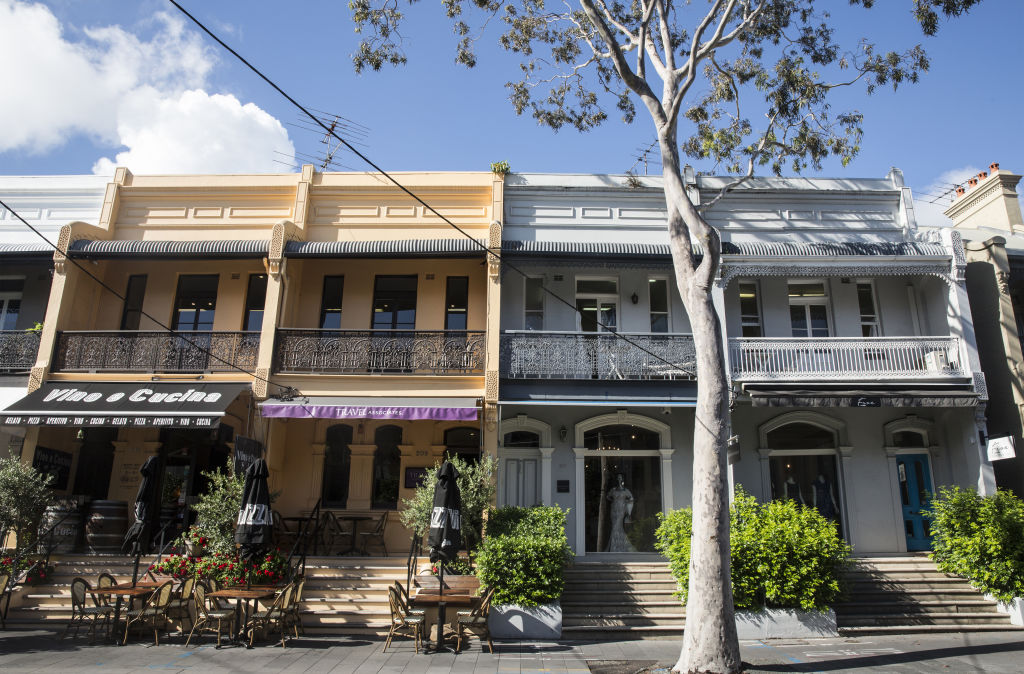
Paddington occupies a unique position within the Sydney property market. It combines proximity to the CBD with tightly held heritage streetscapes, strong owner-occupier demand and architectural character that cannot be replicated at scale. Buying property in Paddington is rarely opportunistic; it is typically deliberate, competitive and emotionally charged.
The suburb’s appeal rests on walkability, café culture, access to Centennial Park and connection to the broader Eastern Suburbs. Yet what sustains long-term value is not lifestyle branding, it is scarcity. Terrace housing dominates the landscape. Block sizes are finite. Planning controls restrict radical redevelopment. These structural constraints underpin resilience.
For buyers navigating this environment, clarity around asset fundamentals matters more than short-term campaign energy.
The Structure of the Paddington Property Market
The Paddington property market is heavily terrace-driven, with variation in width, depth and rear access materially influencing value. Two homes on the same street can differ significantly in long-term performance depending on orientation, parking configuration, natural light and internal layout adaptability.
Renovation quality also plays a decisive role. Architect-designed rebuilds command premiums, but not all renovations justify the price differential. Cosmetic upgrades can disguise structural fatigue in roofing, subfloor ventilation, plumbing or outdated services. Buyers often respond to presentation without fully assessing whether improvements enhance intrinsic value or merely enhance campaign appeal.
In tightly transacted inner-city markets like Paddington, land component relative to total purchase price becomes a key driver of capital growth. The more constrained the land supply, the more durable long-term pricing tends to be, provided configuration supports modern living expectations.
Auctions, Competition and Pricing Discipline
Buying property in Paddington frequently means competing at auction. Campaigns are designed to generate momentum. Guide prices may be calibrated to attract multiple bidders. Emotional escalation remains common once two committed parties engage.
The risk in these environments is not participation, it is lack of defined valuation structure. Comparable sales in Paddington require careful interpretation. Terrace widths, parking, light corridors and renovation scope can distort superficial price-per-square-metre comparisons.
Strategic buyers focus on intrinsic value before auction day. They determine walk-away thresholds in advance and assess whether price escalation reflects genuine asset quality or competitive psychology. In a market as tightly held as Paddington, discipline often separates strong long-term outcomes from expensive short-term wins.
Renovation Potential and Planning Constraints
A significant portion of Paddington housing stock falls under heritage protection. While this preserves character and scarcity, it also limits flexibility. Buyers assuming upward extensions or major façade alterations without verifying council controls risk miscalculating future value-add potential.
Rear access, attic conversion viability and structural integrity influence renovation upside. In some cases, the premium paid for a renovated terrace exceeds the cost required to undertake comparable improvements independently. In other cases, paying for quality design and completed approvals avoids prolonged construction risk.
Understanding the difference requires more than aesthetic judgment. It requires evaluating structural condition, prior approvals and long-term resale appeal within the Paddington property market.
Off-Market and Pre-Market Activity
As with much of the Eastern Suburbs, a portion of quality stock in Paddington transacts quietly. Vendors test appetite before full marketing campaigns. Agents circulate opportunities selectively among known buyers.
This dynamic affects competition levels and pricing transparency. Buyers relying solely on public listings enter campaigns at peak exposure. Buyers positioned earlier often negotiate in more controlled environments.
Information flow therefore becomes a strategic advantage when buying property in Paddington.
Long-Term Drivers of Performance
Paddington continues to attract owner-occupiers who prioritise lifestyle proximity and architectural character. That owner-occupier depth stabilises demand even during broader market recalibrations.
Long-term performance typically reflects:
- Land proportion relative to total price
- Functional internal layout adaptable to contemporary living
- Natural light and orientation
- Parking access in a densely held suburb
- Proximity to transport, retail strips and green space.
Scarcity alone does not guarantee performance; scarcity combined with functionality does.
Within the broader Sydney property market, Paddington maintains its position because supply cannot meaningfully expand. Demand may fluctuate at the margin, but structural constraints remain constant.
For buyers evaluating buying property in Sydney more broadly, Paddington represents a market where fundamentals, not momentum, drive durable outcomes.
Consult with Professionals
Consider working with experienced real estate professionals, such as James Chase Buyers Advocacy.
If you’re considering your options in Sydney’s prestige market, let’s chat.
Book your free 30-minute consultation to get started.
